

Discover the position of Chairperson of the Cultural Safeguarding Committee at Airmedic
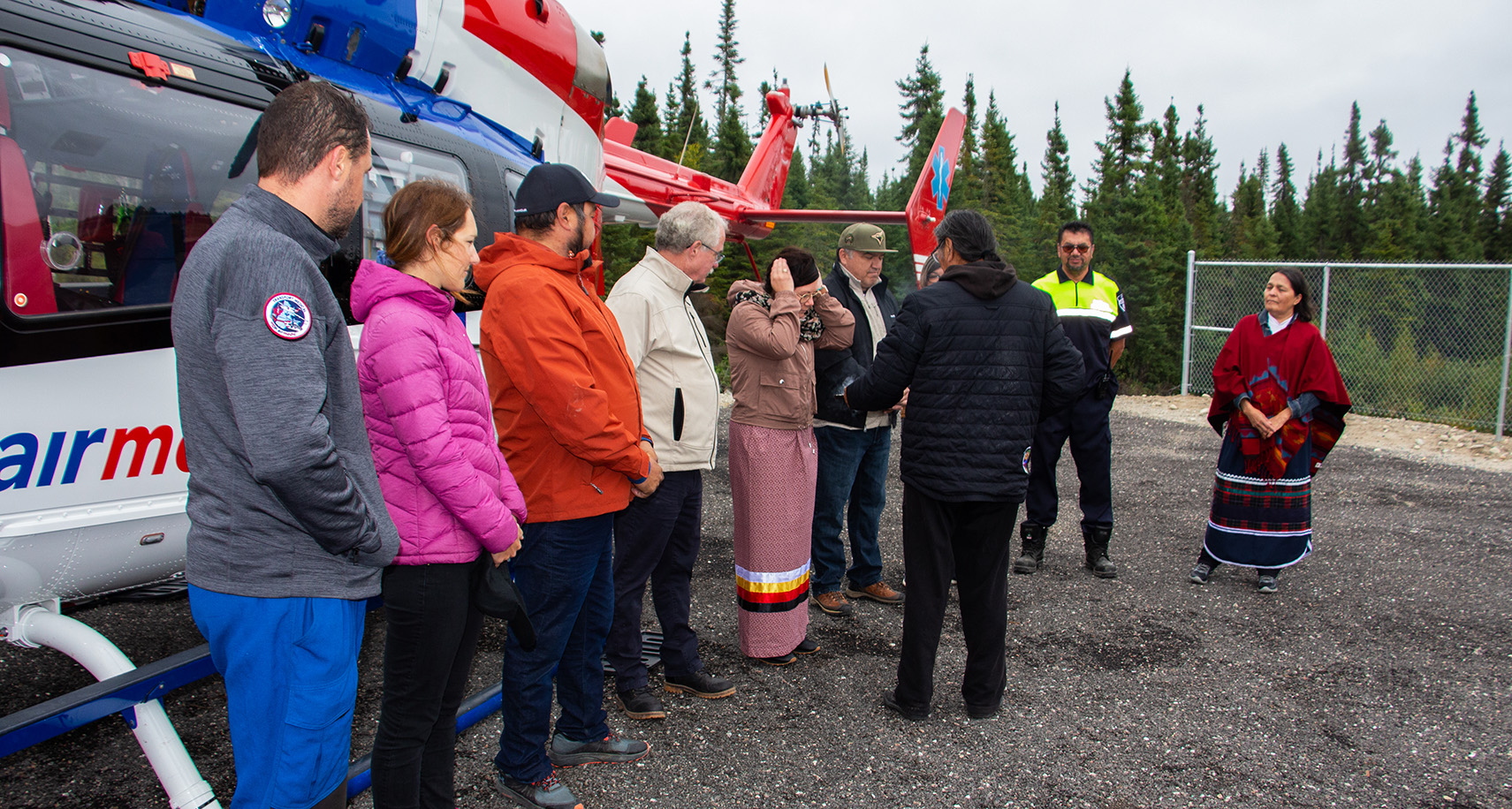
Airmedic’s Cultural Safeguarding Committee plays a key role within the organization. Created in 2021, it aims to provide sensitive, empathetic, and respectful care tailored to the realities of Indigenous Peoples.
Since its creation, the committee has implemented several concrete initiatives. For example, it has established conferences for all employees, made certain trainings mandatory for medical staff and pilots, and created educational tools. These tools are designed to help teams build human and trusting relationships with Indigenous peoples.
However, this is just the beginning. The committee will intensify its efforts over the next year, as explained by Jessie Lepage, Chairperson of the Cultural Safeguarding Committee for First Nations and Inuit, who is genuinely motivated by her role within Airmedic: “In 2022, we must present and represent Indigenous Peoples properly. We need to work TOGETHER to move toward a future where Indigenous and non-Indigenous relationships are cordial, respectful, and healthy. To genuinely engage in a process of truth and reconciliation with Indigenous peoples, we must begin with a process of understanding who they truly are and what they have experienced.”
Learn more about Jessie Lepage and Airmedic’s Cultural Safeguarding Committee for First Nations and Inuit.
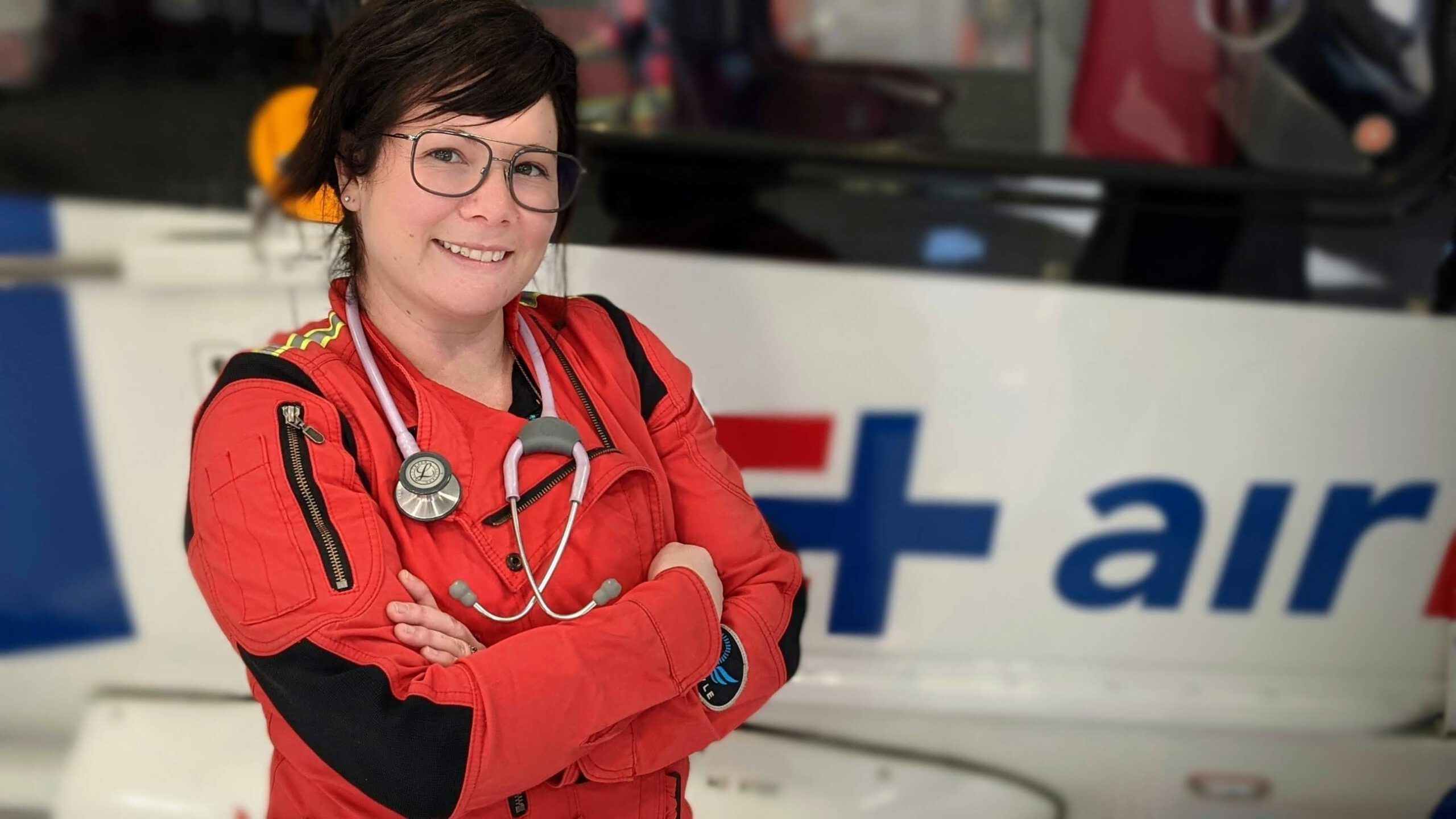
What drew you to Airmedic?
Not long ago, I was also a respiratory therapist within the company. At that time, I was also teaching respiratory therapy at Collège de Rosemont. To maintain a connection with the clinical field, I joined Airmedic. On top of that, several elements attracted me: the challenges, the environment, and especially the patient population. About 65% of the patients come from Indigenous Peoples. That convinced me to embark on this journey.
What does a typical workday look like for you?
Project follow-ups, contacting our various speakers/trainers, scheduling meetings and the calendar, etc.
What do you think is little known about the Cultural Safeguarding Committee?
I believe the committee is well known at Airmedic, as the company communicates a lot about it. However, the term “cultural safeguarding” remains unclear for many. Since it is a term associated with the healthcare field, healthcare professionals are familiar with the concept. However, I believe for the rest of the employees, it can be more abstract. To address this, I give the training “Cultural Safeguarding: What is it? And why?” This allows me to clearly explain what this concept is and why it is essential.
What is the greatest benefit of the Cultural Safeguarding Committee?
The main benefits of the committee are as follows. First, the committee’s primary objective is to ensure culturally safe care for patients from Indigenous Peoples. This care must be delivered with humanity, respect, and dignity. We cannot yet claim this as a benefit, since the committee cannot speak on behalf of First Nations and Inuit, but I believe it is important to mention.
Additionally, the committee provides all company employees with training and information on the realities, cultures, and history of Indigenous peoples. For most Quebecers, these topics are often unknown, abstract, or inaccurate. Finally, everything presented by the committee also allows field professionals to adopt a different and more inclusive patient approach when dealing with individuals from First Nations and Inuit communities.
What is the most challenging aspect of your position?
Actually, nothing! I chair a profoundly human committee. The trainings, conferences, and meetings are all focused on listening and respect. And above all, I work with a wonderful colleague and a company director who gives us her full trust.
What do you enjoy most about your position?
Building human connections! The trainings and discussions offered by the committee bring together all members of the organization, regardless of their role. It’s touching to see so much open-mindedness, especially on a topic that can sometimes be difficult. Also, the meetings, exchanges, and human moments shared with members of the various Indigenous communities we have the chance to engage with are incredibly rewarding. These moments teach us so much!
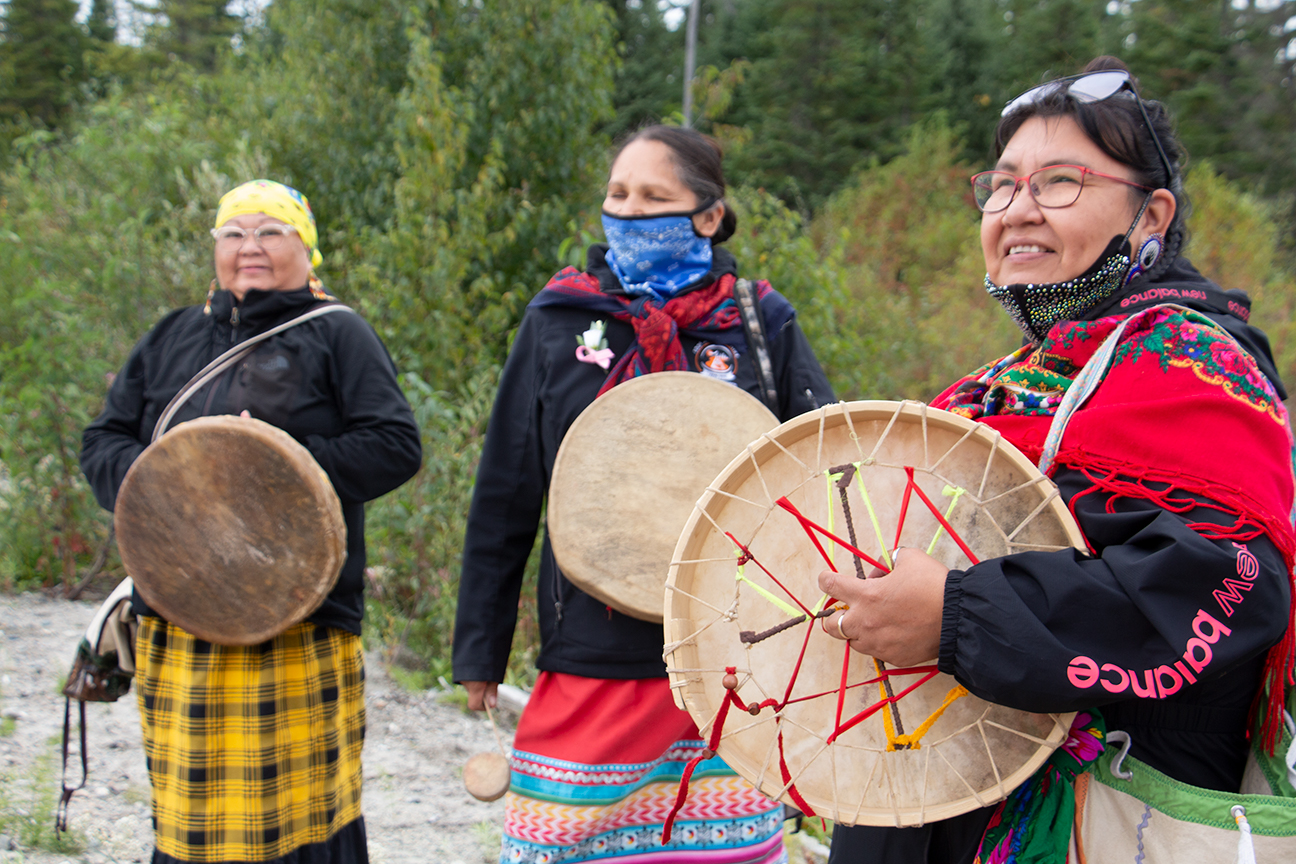
Do you want to learn more about Airmedic’s Cultural Safeguarding Committee? Visit our blog.


