

Kuei! Kuei!
Review of a year of awareness-raising and collaboration
It has already been a year since I was offered the chairmanship of the Cultural Safety Committee. At the time, I was not yet aware of how important this committee would be within a company like Airmedic. However, 65% of our patients are First Nations and Inuit.
Little by little, the cultural safety commitee has set up conferences, training sessions, and tools to support our staff. In this way, it has contributed to a better understanding of Indigenous realities. Meaningful and profound exchanges have taken place with members of various communities. Thanks to this, a bond of trust is gradually being established between Airmedic and these peoples.
Over the course of this first year, I felt a great deal of sadness and frustration. Learning more about their history, which is often unknown to Quebecers, stirred up a lot of emotions. However, I also discovered a people rich in love, respect, and happiness.
First Nations have a remarkable ability to make us smile. Their resilience and strength of spirit are truly admirable. In my opinion, we would all benefit from drawing inspiration from their courage. Since reconnecting with my roots, I have become a better person.
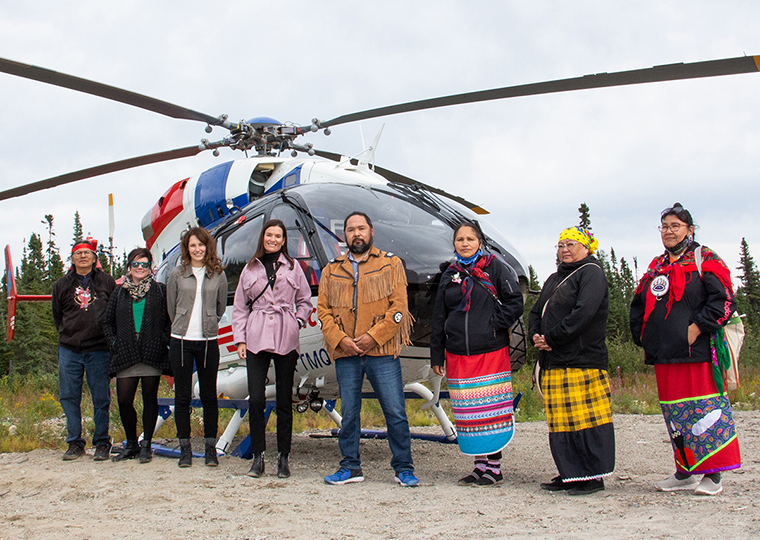
An opening to a reality other than our own
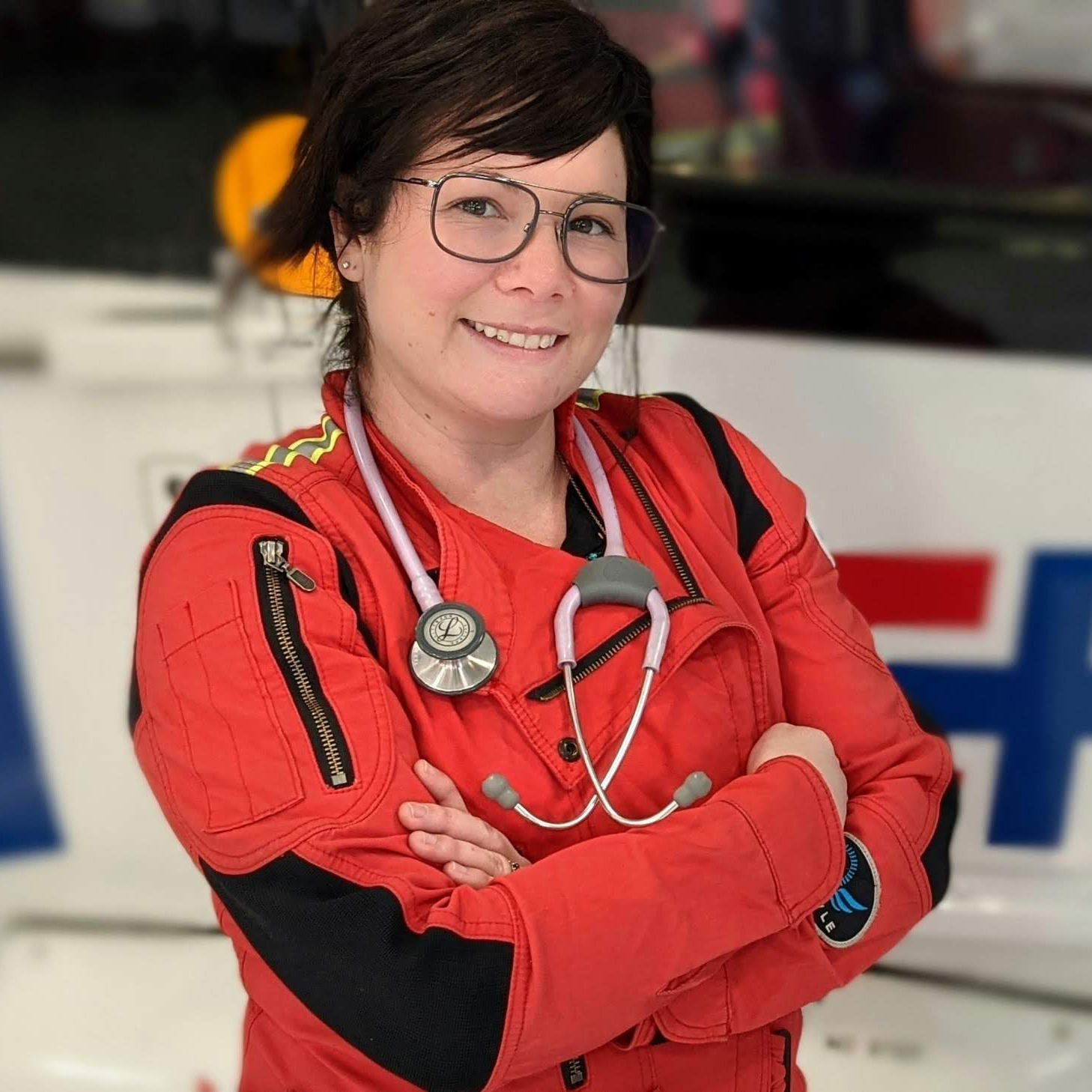
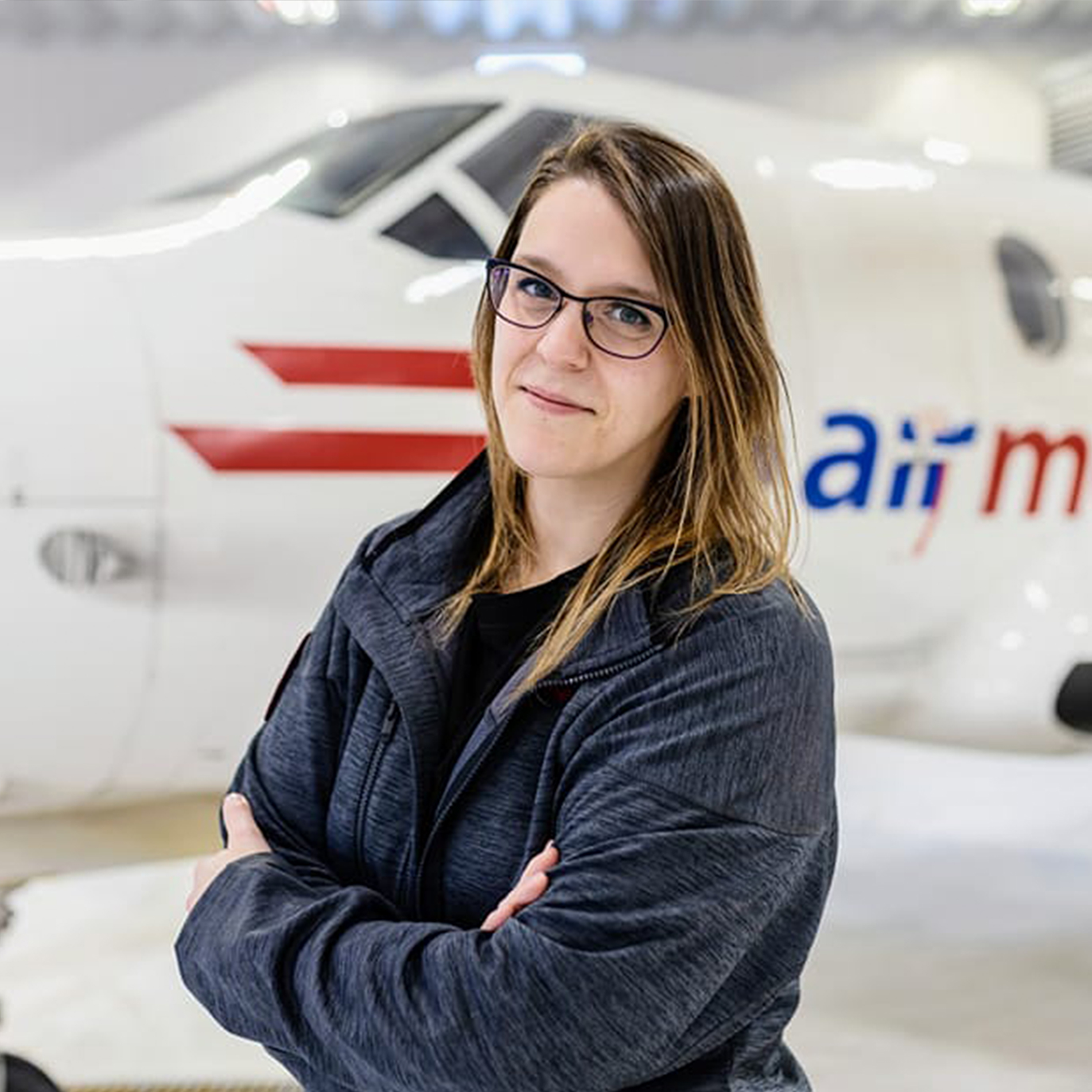 Carolyn R. Ménard
Schedule and Medical Operations Training Coordinator
” These few simple lines mean a lot to me: They open up a reality that’s different from ours, but most of all, they give me a comforting sense of trust that comes with open communication. So, taking part in conferences and training sessions organized by the cultural safety committee has helped me better understand the real challenges, both sociocultural and medical, that Indigenous communities face.
Today, I feel great pride in seeing Airmedic actively involved with different nations. Indeed, day after day, we are building a relationship of trust between Indigenous peoples and us, non-Indigenous peoples. This trust makes all the difference in the healthcare experience. Without the committee for Indigenous communities, this bond would be difficult to establish. It allows us to grow together as human beings.
“We Inuit know that we will have to work with you, Qallunaat, for a long time to come. And we are okay with that. But if you want this relationship to work, to be fruitful, you will have to listen to us. “
– Elashuk Pauyungie, Inuit veteran
Reconciliation and the Cultural Safety Committee
In a context where truth and reconciliation are central, I am proud to see that Airmedic has taken action. The company has taken the lead by establishing a cultural safety committee, which is present in its offices, bases, and on board its aircraft.
Many great things have been accomplished during this first year. However, there is still a lot of work to be done. We are moving forward steadily with all of you, and that is what is so wonderful about this committee. No matter which department you belong to, everyone comes together at conferences and training sessions, and we do it TOGETHER. Furthermore, First Nations have this wonderful quality of solidarity between nations, and I love the solidarity that unites us during these moments.
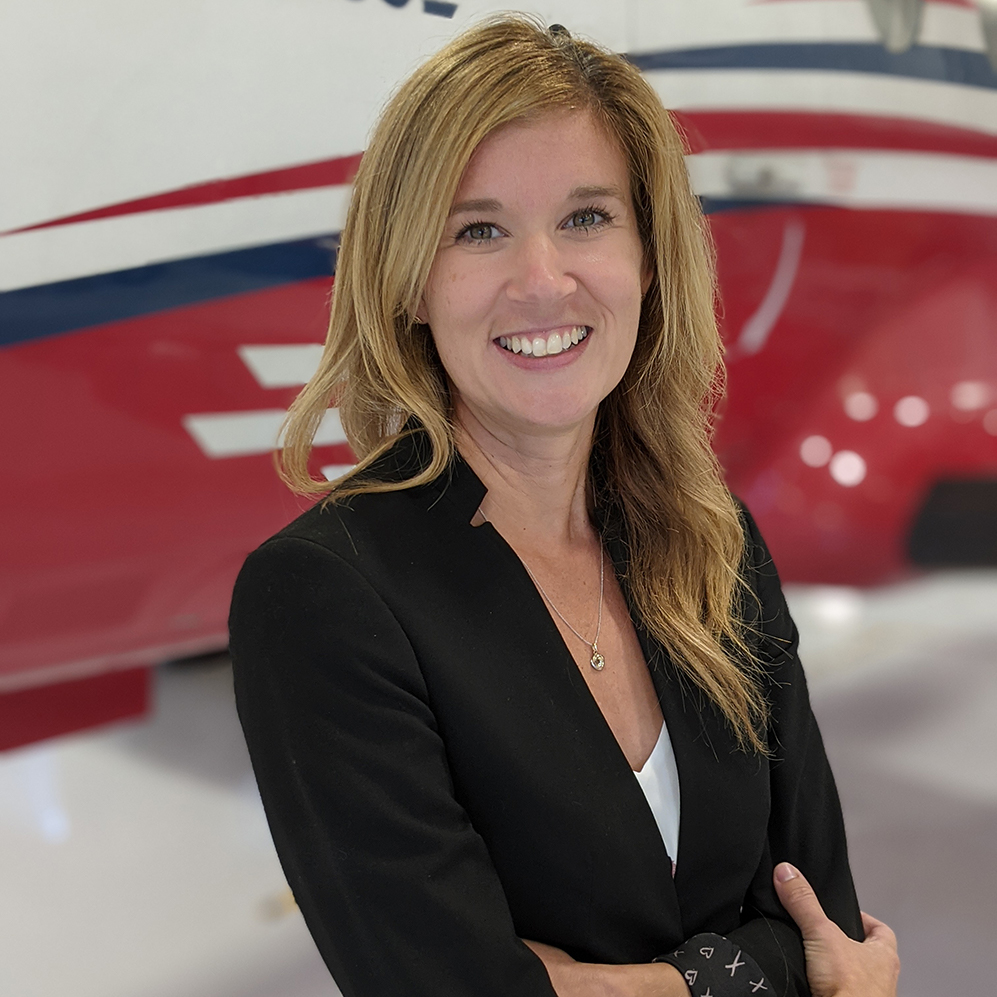
Marie-Claude Drouin
Human Resources Technician
“A huge thank you to the Cultural Security Committee! You are doing extraordinary and, above all, essential work. Airmedic cannot ignore the contribution of Indigenous peoples in Quebec. It is crucial to give them the place and voice they deserve. Thanks to this committee dedicated to First Nations, my understanding of this people has grown. I have learned to recognize their strength, humanity, and resilience. There is still much to discover about what they have experienced and continue to experience today.
To the members of the committee, know that you are at the heart of Airmedic. Your efforts to teach us more about this wonderful people are essential. ”
Acknowledgments
I would like to take this opportunity today to thank Sophie Larochelle for giving the committee the freedom to develop. Taking the initiative as a company by setting up this type of committee was ambitious. She is a wonderful example of a business leader.
I would also like to thank Jean-Patrick Laflamme, with whom I chair this committee. Without him, I would not have been able to take on this challenge alone. Through this wonderful project, I have not only found a colleague, but also a friend! A big thank you also goes out to all the committee members.
Whether you are part of the internal or external committee, your expertise and ideas ensure that we continue to grow. Without you, the committee’s developments and avenues would have been very different.
To all our speakers and trainers, Tshinishkumitin. It is also thanks to you that Arimedic employees now have a real understanding of the history of Indigenous peoples. And my final TSHNISHKUMITIN goes to you, dear colleagues.
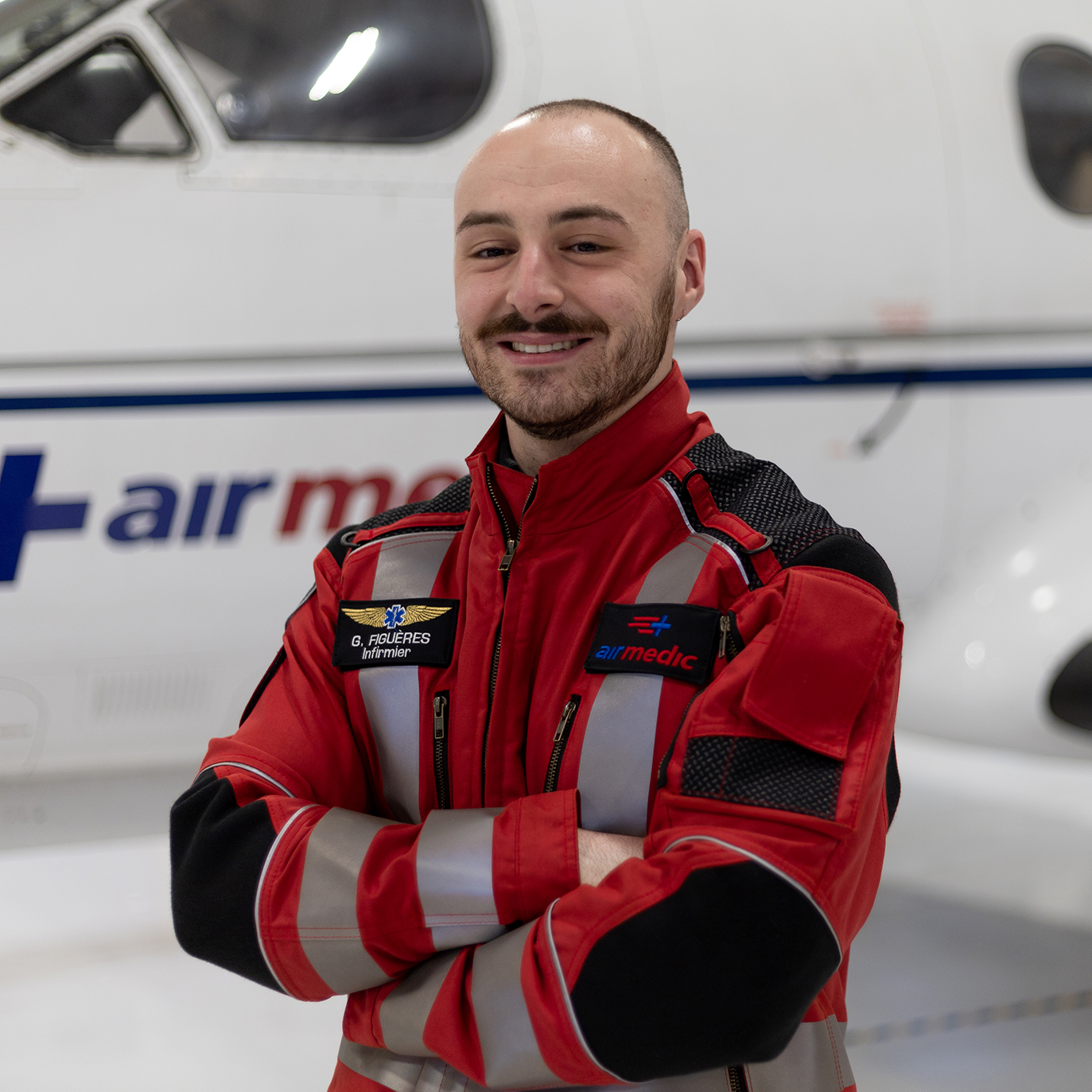
Gauthier Figueres
Medical Operations Team Leader and Flight Nurse
“The committee helped me develop my patient care skills by understanding the unspoken: facial expressions, behavior, and respecting moments of silence. I have established a more relaxed dynamic in the caregiver-patient relationship with both Indigenous and non-Indigenous populations.
Having a First Nations and Inuit cultural safety committee within the company has, in my opinion, provided the awareness and sensitivity needed to put the patient back at the center of care. Thanks to Jessie, her lively training sessions, and her passion, I have learned to deepen my understanding of Indigenous culture.
I see only positives in the committee, especially for medics who have never worked with this patient population. The training is truly enriching and lively, and I feel lucky to have a company that is proactive in creating this cultural safety committee.
Receiving the history of First Nations and entering into the process of cultural safety requires tremendous personal openness and immense personal reflection. Over the past year, you have shown me that you are ready to help us in this positive change toward reconciliation with Indigenous peoples. Your presence at the events organized by the committee brings it to life. Without you, Jean-Patrick and I would not be able to grow and evolve so well. You make me proud, and thanks to you, I can dream that one day the majority of Quebecers will share your determination to improve things.
Milu-Tshishekami!/Happy birthday to you, dear committee
Milu-Tshishekue!/Have a nice day
Jessie Lepage
Chair of the Cultural Security Committee


